The Problem
This feature addresses cases where a standard PDF is not suitable for long-term archiving requirements. It helps ensure documents can be stored and preserved in a way that meets archival expectations and reduces future accessibility risks.
Screenshots

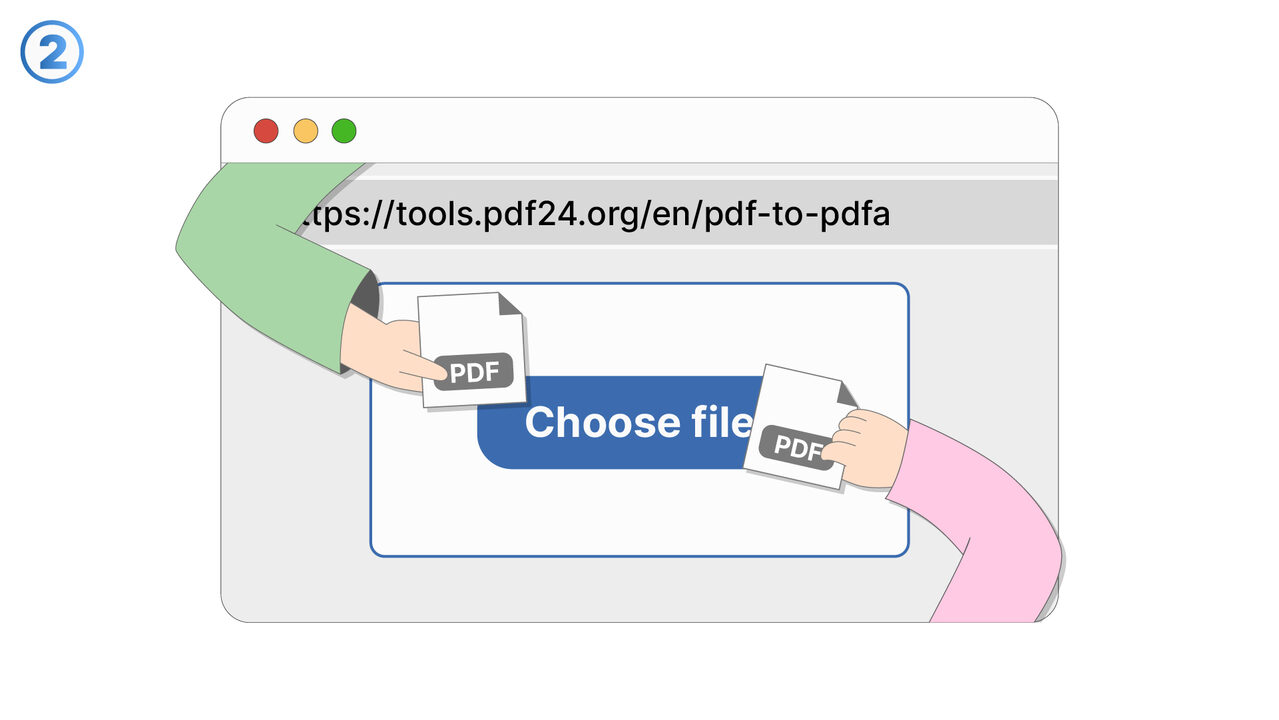
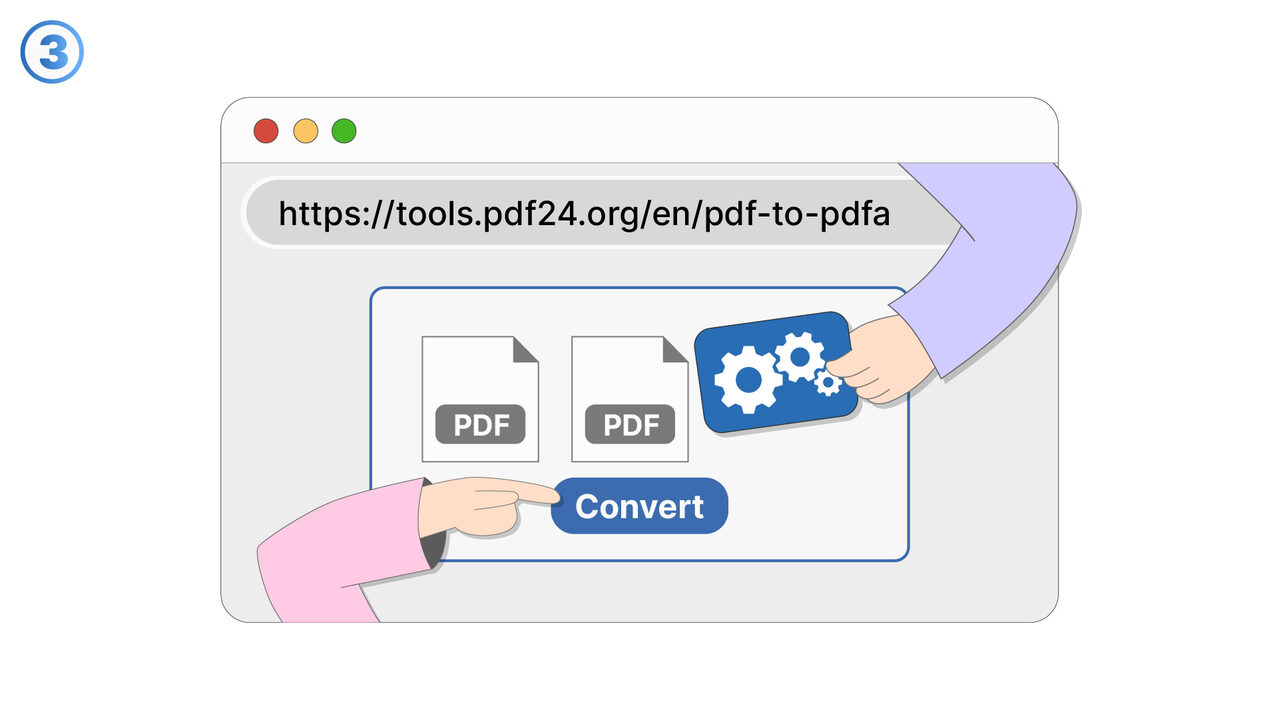
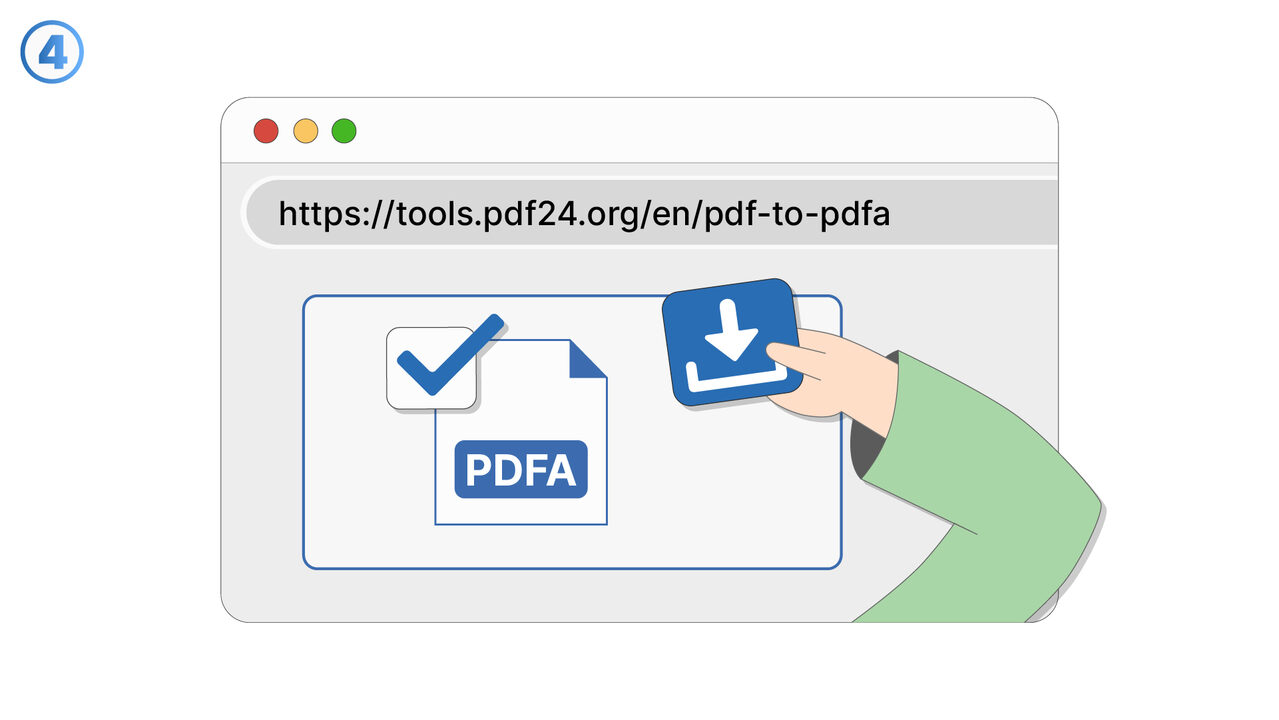
The Solution
Standard PDFs may not meet the requirements of long-term archiving policies or preservation workflows. This feature focuses on identifying and addressing situations where a standard PDF format is considered insufficient for archival use. It supports users who need documents to remain accessible, readable, and reliably preserved over extended periods. The goal is to reduce the risk of future incompatibility caused by missing archival characteristics or non-compliant structure. Users can rely on this capability when preparing official records, regulated documentation, or institutional archives. It is particularly relevant for organizations that must follow documented retention and preservation standards. The feature provides a clearer path to producing or selecting a PDF that aligns with long-term archiving expectations. It also helps minimize rework by preventing the creation or acceptance of PDFs that may later be rejected by archival systems. Common use cases include records management, legal documentation retention, and any workflow where files must be preserved for many years. Overall, it improves confidence that stored PDFs will remain usable and acceptable for long-term archiving.
External Resource
https://tools.pdf24.org/en/pdf-to-pdfa
Use this tool as a solution to the following problems
- Lack of reliable online tool for PDF to PDFA conversion
- Lack of knowledge on how to convert PDF to PDFA
- Need to convert PDF to PDFA for easier access and sharing
- Seeking a cost-effective PDF to PDFA conversion solution
- Need for a fast and reliable PDF to PDFA conversion tool
- Issues with document preservation
- Concerns over privacy while using online conversion tools
- Need for a user-friendly PDF to PDFA conversion tool
- Looking for a tool that can handle multiple PDF to PDFA conversions at once
Know a better solution? Let us know.
If you know of a tool or approach that could help people solve a problem we haven't covered yet, we'd love to hear about it.