The Problem
This feature documents limitations and compatibility considerations when using ODT files across different systems and applications. It helps users anticipate issues and choose reliable alternatives or workflows to avoid blocked access to documents.
Screenshots

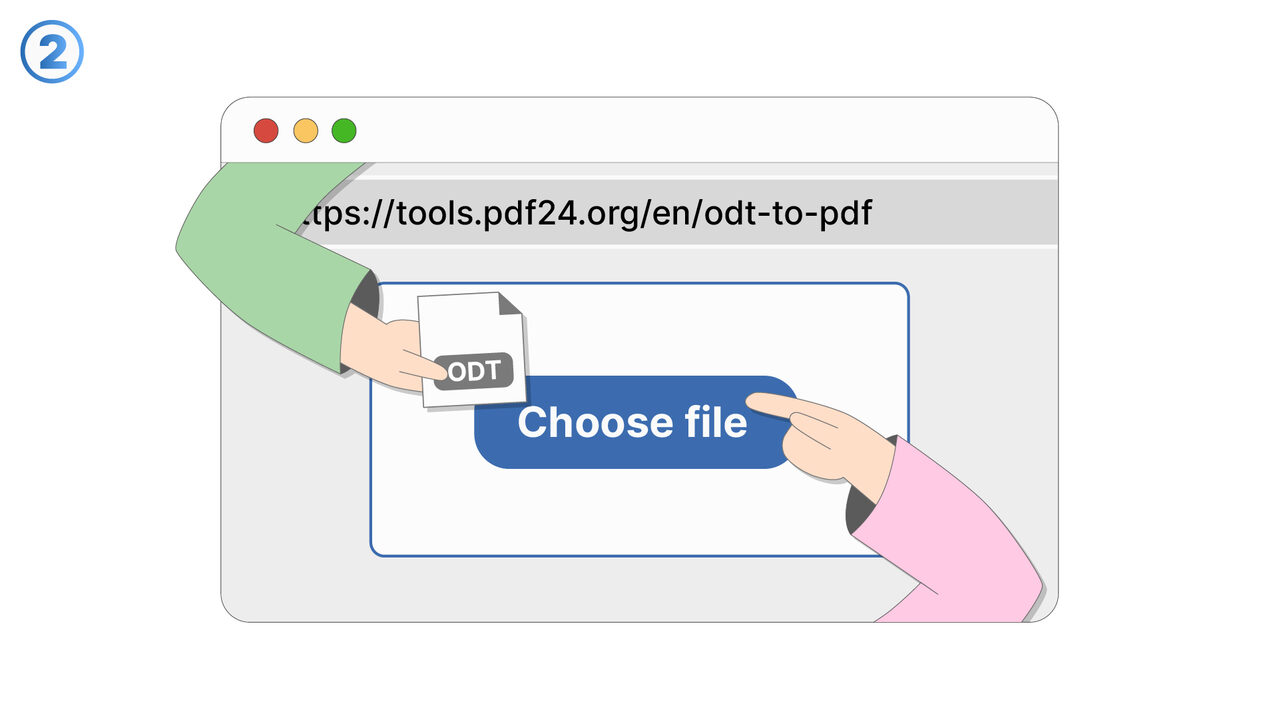
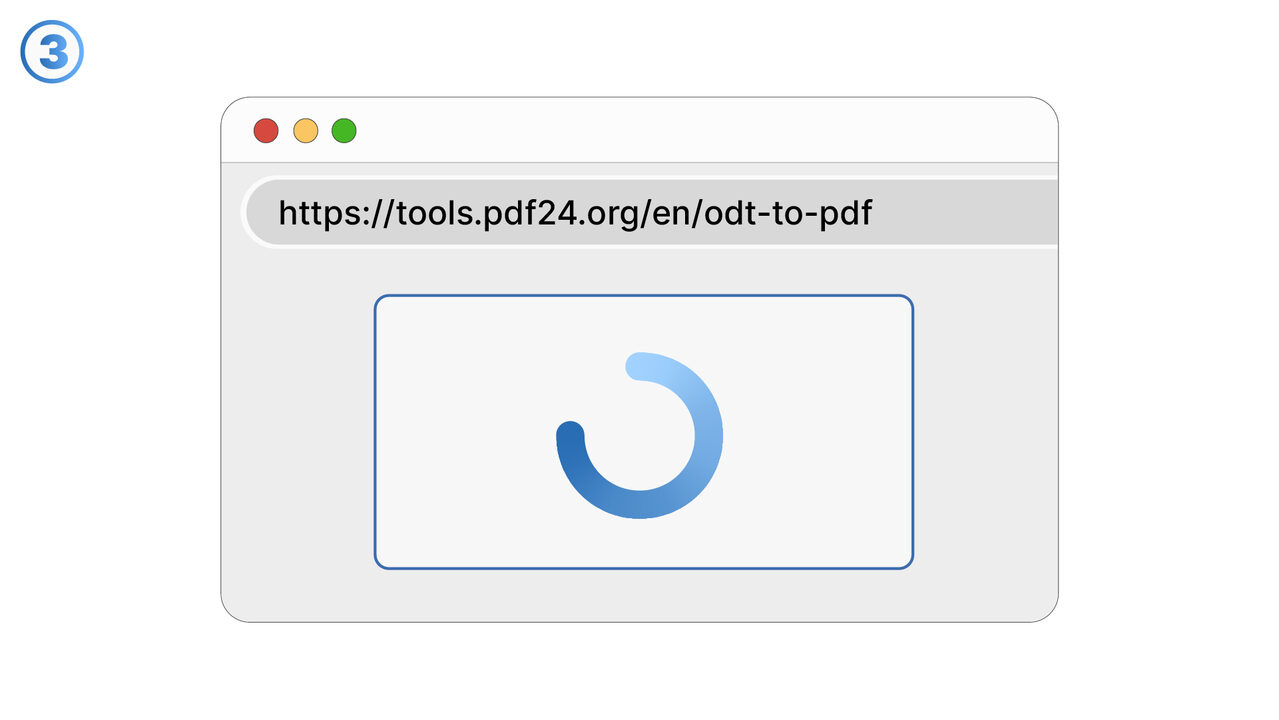
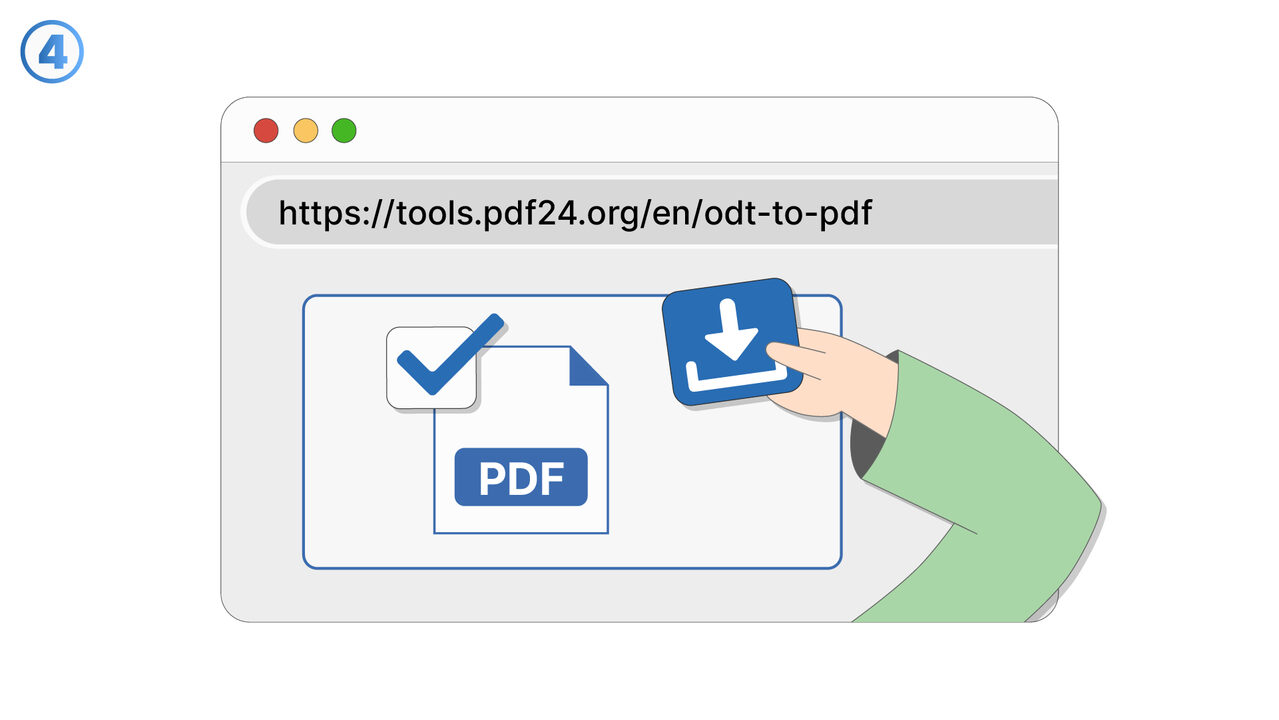
The Solution
Some systems and applications do not fully support the OpenDocument Text (ODT) format, which can prevent documents from opening correctly or at all. This documentation explains where ODT compatibility gaps commonly occur and how to recognize them before sharing or deploying files. It clarifies what users should expect when exchanging ODT files with recipients who may rely on different operating systems, office suites, or restricted environments. It also outlines practical steps to reduce friction, such as confirming the recipient’s supported formats and testing documents in the target environment. When ODT support is partial, formatting, fonts, tables, and embedded elements may render inconsistently, so the documentation highlights areas most likely to be affected. For scenarios where ODT is not accepted, it recommends using more widely supported formats or providing an alternate version for distribution. It is intended for teams that collaborate across varied toolchains, including enterprise environments with strict software policies. The guidance helps reduce last-minute conversion work, avoid document access failures, and improve the reliability of shared deliverables. This is especially useful for customer-facing documents, compliance materials, and any workflow where consistent viewing and printing are critical.
External Resource
https://tools.pdf24.org/en/odt-to-pdf
Use this tool as a solution to the following problems
- Unable to share ODT files with non-open-source word processor users
- ODT files formatting getting lost when printed
- Difficulty preserving the formatting of ODT files
- Large ODT files not supported in some systems
- Lack of compatibility of ODT files with other systems
- Complications when preserving images and other elements in ODT files
- Challenges in converting ODT files to other formats
- Security concerns with other online converters
- Transferring ODT files to devices without suitable software
Know a better solution? Let us know.
If you know of a tool or approach that could help people solve a problem we haven't covered yet, we'd love to hear about it.