問題
This feature documentation outlines common challenges users face when converting ODT files into formats like DOCX, PDF, or HTML. It helps set expectations and highlights what to check to preserve layout, styling, and content accuracy during conversion.
スクリーンショット
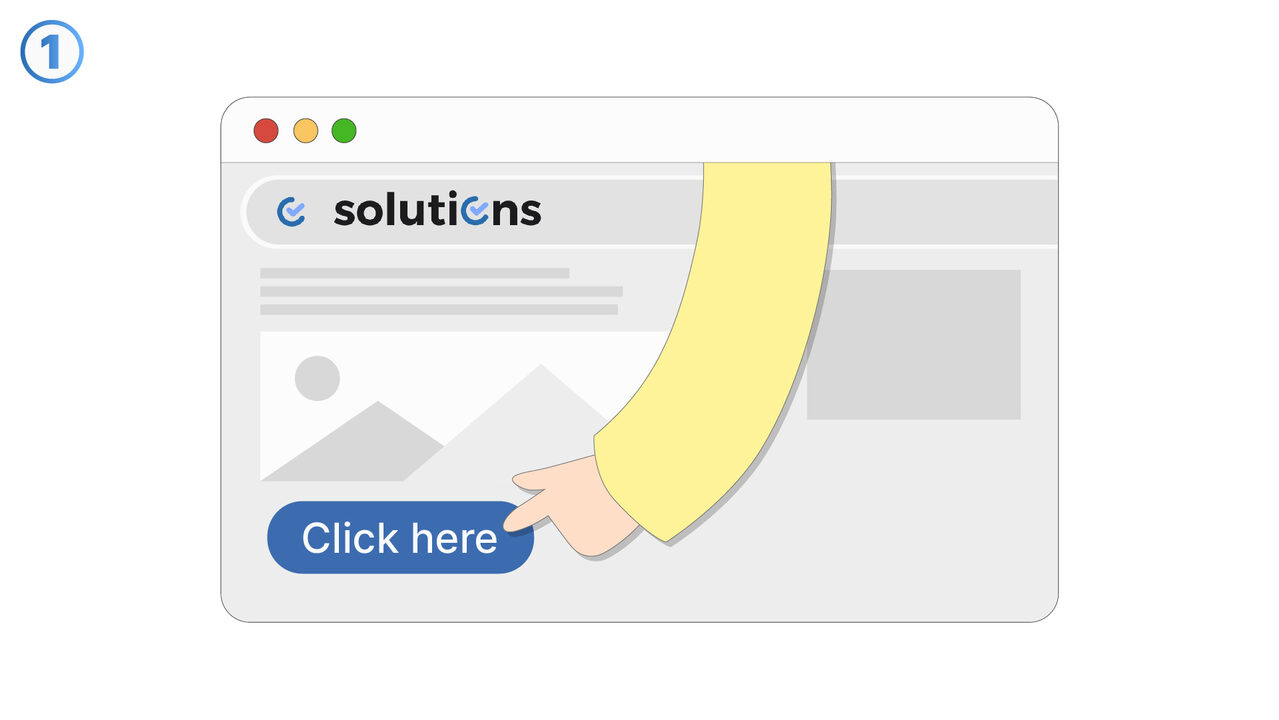
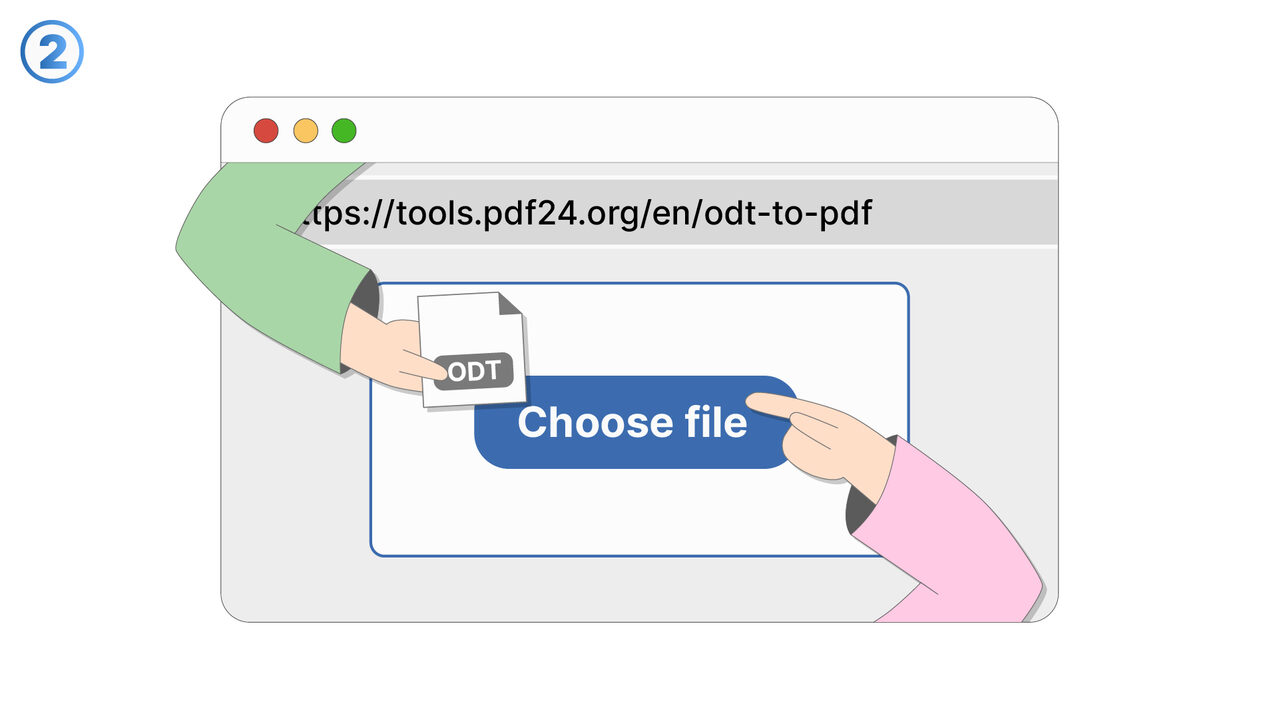
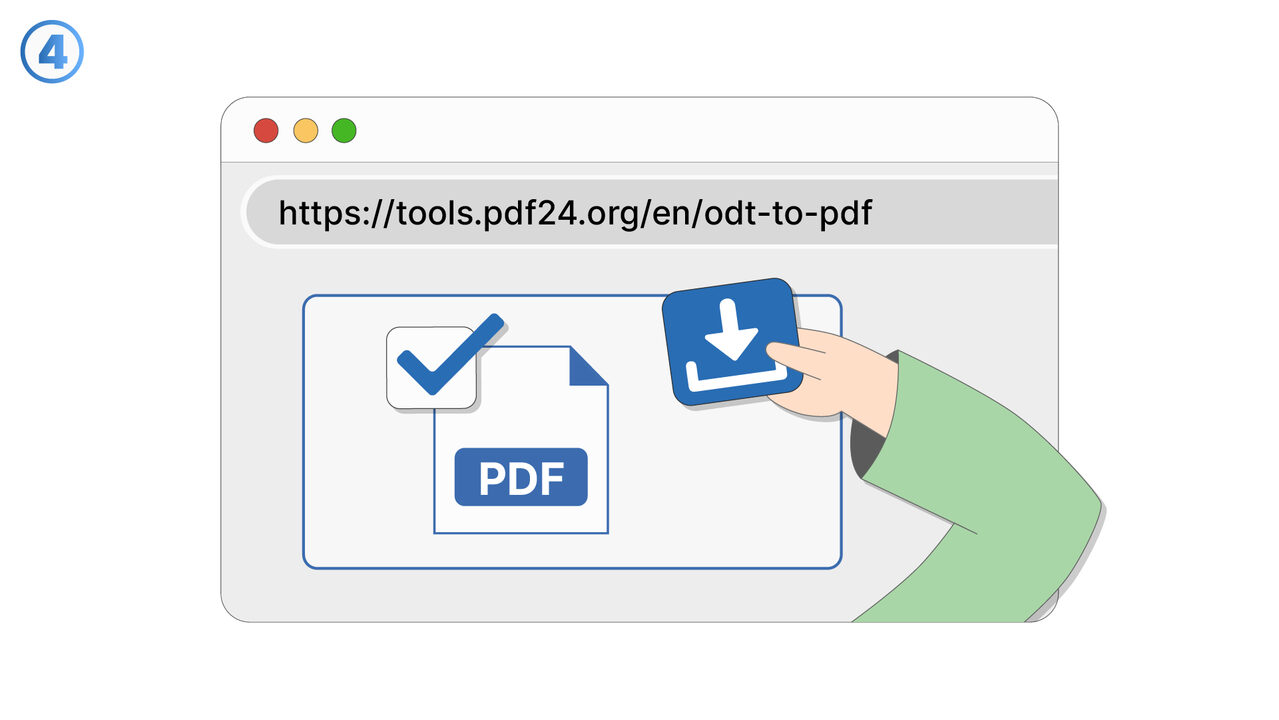
解決策
Converting ODT files to other formats can introduce differences in layout, fonts, and styling because each format supports features differently. This documentation describes typical conversion pain points and how they can affect the final output, such as reflowed text, shifted margins, or altered page breaks. It also covers content fidelity concerns, including missing embedded objects, images moving positions, or changes to tables and lists. Users can rely on this information to choose an appropriate target format and validate results with a consistent review checklist. The guidance is especially relevant when documents use advanced formatting like custom styles, headers/footers, tracked changes, or footnotes. It is useful for teams that need repeatable, predictable conversions for publishing, collaboration, or archiving. The documentation encourages testing with representative documents to catch edge cases early. It supports decision-making when selecting conversion tools or workflows by clarifying where mismatches commonly occur. Typical use cases include sharing documents with Microsoft Office users, generating print-ready PDFs, or preparing content for web publishing. Overall, the goal is to reduce surprises and rework by making conversion risks and verification steps clear upfront.
外部リソース
https://tools.pdf24.org/en/odt-to-pdf
以下の問題の解決策としてこのツールをご活用ください
- Unable to share ODT files with non-open-source word processor users
- ODT files formatting getting lost when printed
- Difficulty preserving the formatting of ODT files
- Large ODT files not supported in some systems
- Lack of compatibility of ODT files with other systems
- Complications when preserving images and other elements in ODT files
- ODT files unsupported in some systems
- Security concerns with other online converters
- Transferring ODT files to devices without suitable software
より良い解決策をご存知ですか? お知らせください。
まだ取り上げていない問題を解決できるツールやアプローチをご存知でしたら、ぜひお知らせください。