Probleem
This feature addresses workflows that are hard to share or run consistently because they depend on Excel files. It improves portability by reducing reliance on spreadsheet-specific formats and behaviors, making it easier to move work across systems and collaborators.
Ekraanipildid
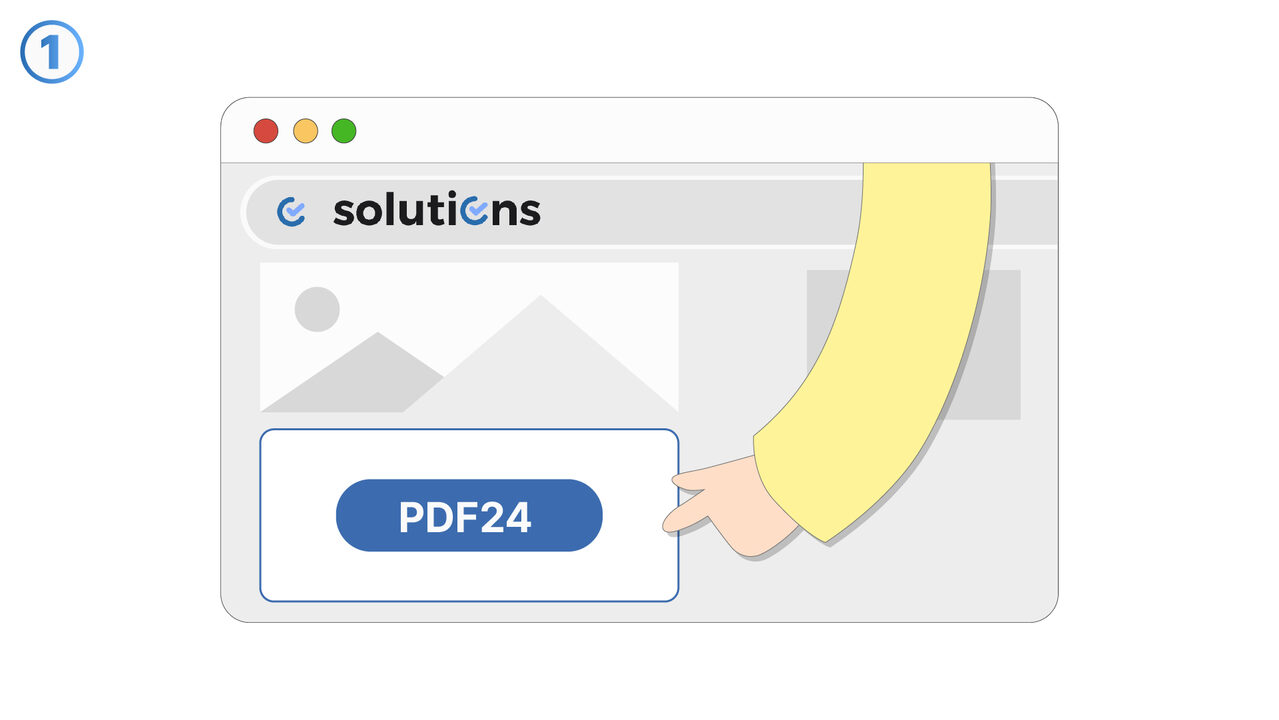
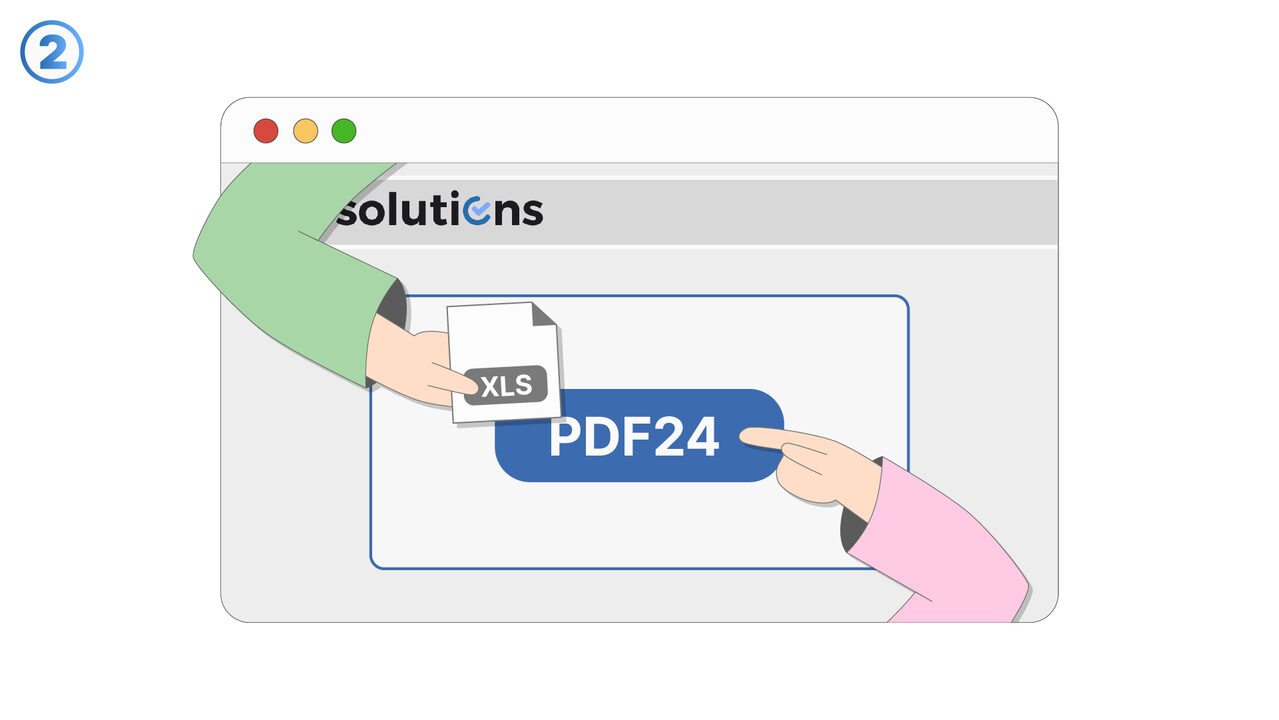
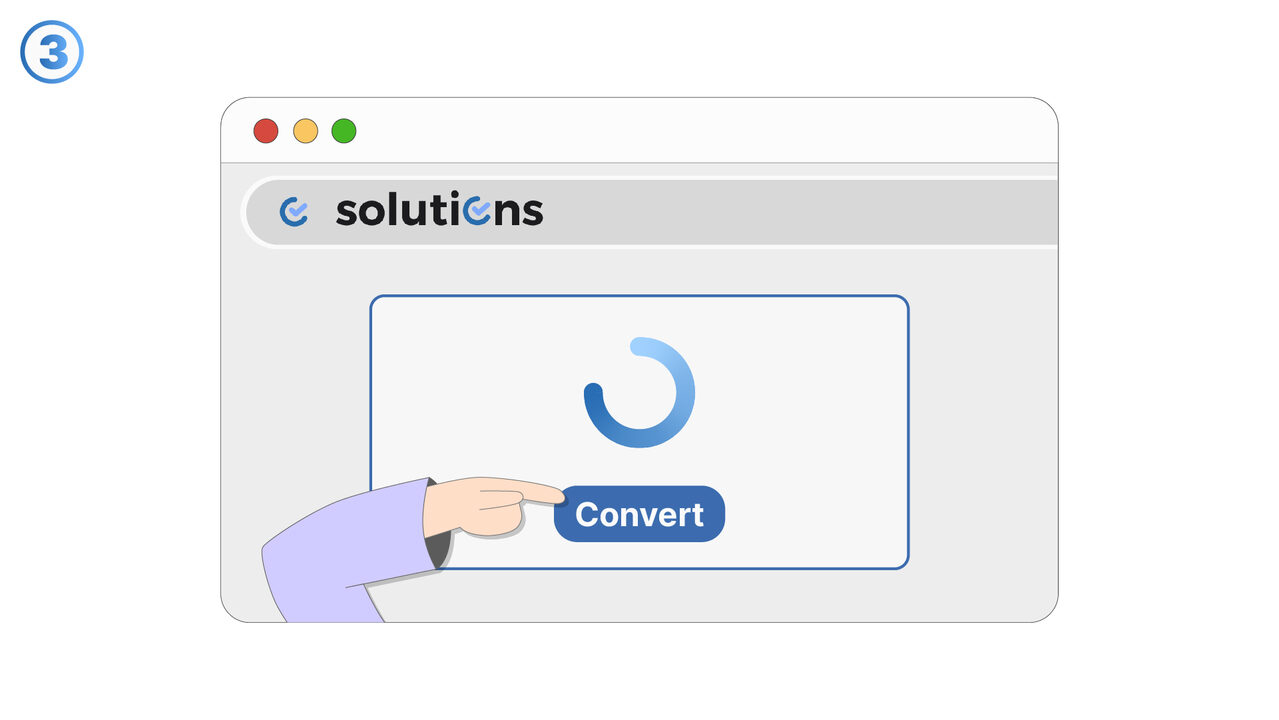
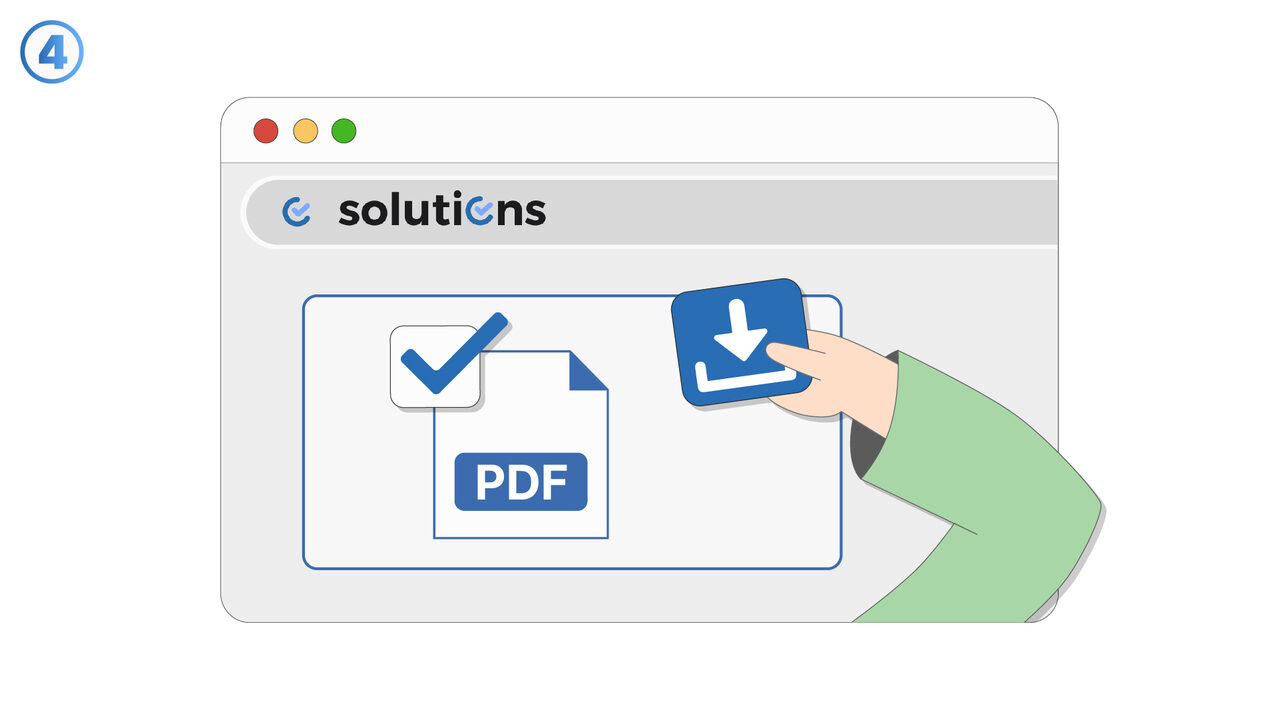
Lahendus
Insufficient portability due to Excel files occurs when a process relies on Excel workbooks as a primary input, output, or source of truth, making it difficult to transfer or reproduce in other environments. This feature focuses on minimizing spreadsheet dependency so the same workflow can be executed consistently across teams, devices, and toolchains. It supports replacing or complementing Excel-based steps with more portable, system-friendly representations and interfaces. By doing so, it reduces issues caused by differing Excel versions, locale settings, and manual spreadsheet edits. It also helps teams avoid brittle formulas, macros, and hidden worksheet state that can break when files are copied or modified. The feature is intended for scenarios where data needs to be shared reliably, automated, or integrated with other systems without requiring Excel as a runtime dependency. Common use cases include cross-platform collaboration, CI/CD or scheduled automation, and handoffs between departments or external partners. The main benefits are improved reproducibility, easier integration, and fewer failures caused by spreadsheet-specific quirks. Overall, it enables more consistent execution and sharing of work that previously depended on Excel files.
Väline ressurss
https://tools.pdf24.org/en/excel-to-pdf
Kasutage seda tööriista järgmiste probleemide lahendamiseks
- Recipient doesn't have Excel
- Formatting issues when sharing Excel files
- Security issues with Excel files
- High incompatibility of Excel across different devices
- Printing issues with Excel files
- Excessive disk space consumption by Excel files
- Unauthorized changes to Excel files
- Inability to lock content in Excel documents
- Risk of losing data in Excel format
Tead paremat lahendust? Anna meile teada.
Kui tead tööriista või lähenemisviisi, mis aitaks lahendada probleemi, mida me pole veel käsitlenud, soovime sellest teada.