Das Problem
This feature helps identify and reduce excessive disk space usage caused by Excel files. It provides clear visibility into which files consume the most storage and supports actions to reclaim space without disrupting normal spreadsheet workflows.
Screenshots
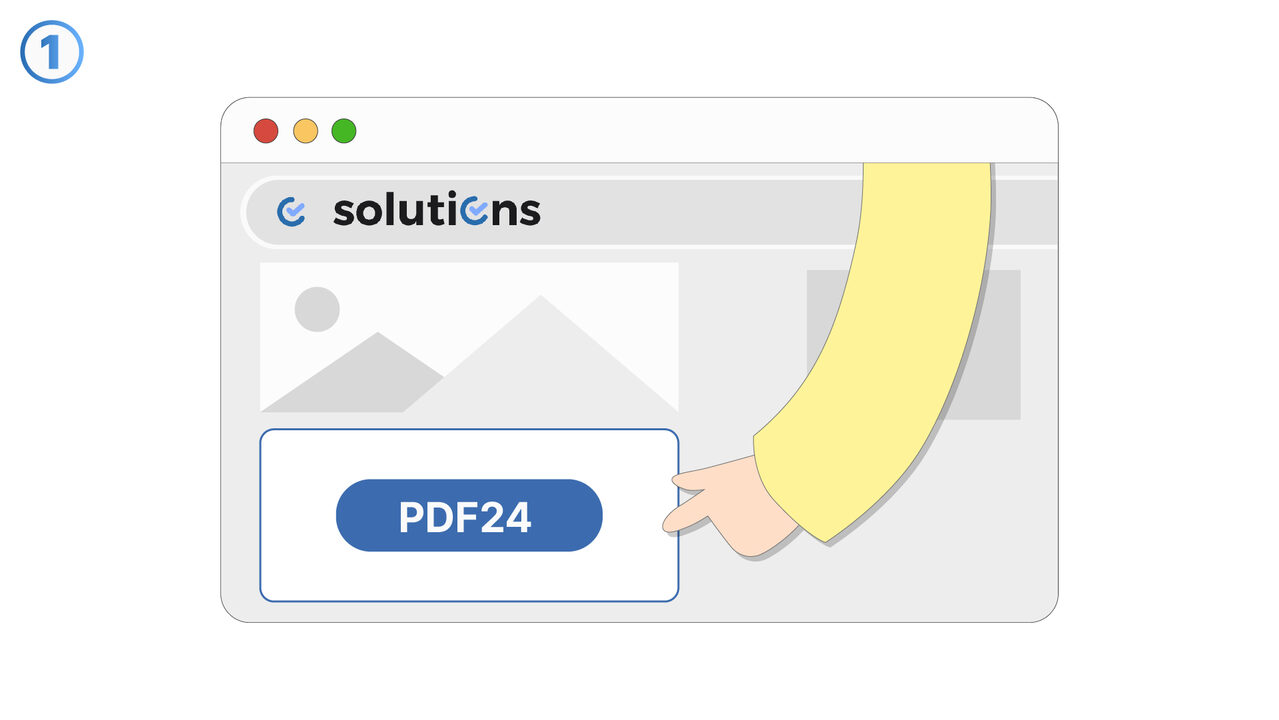
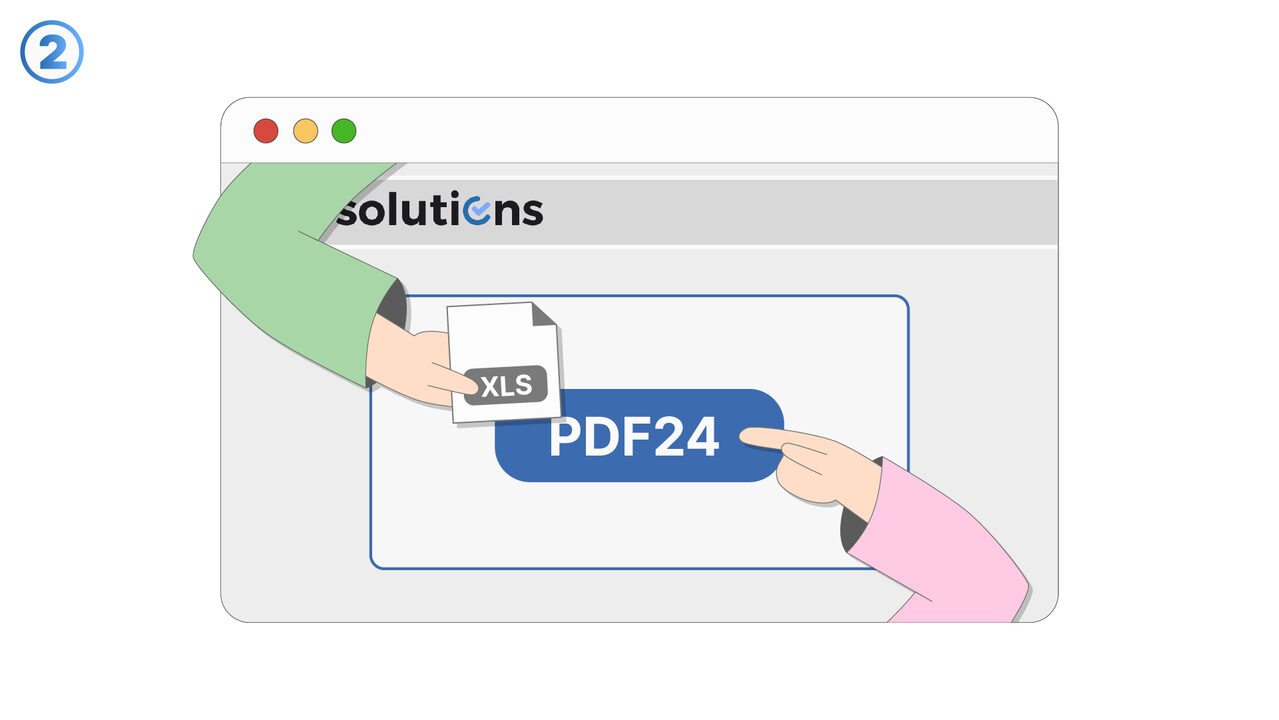
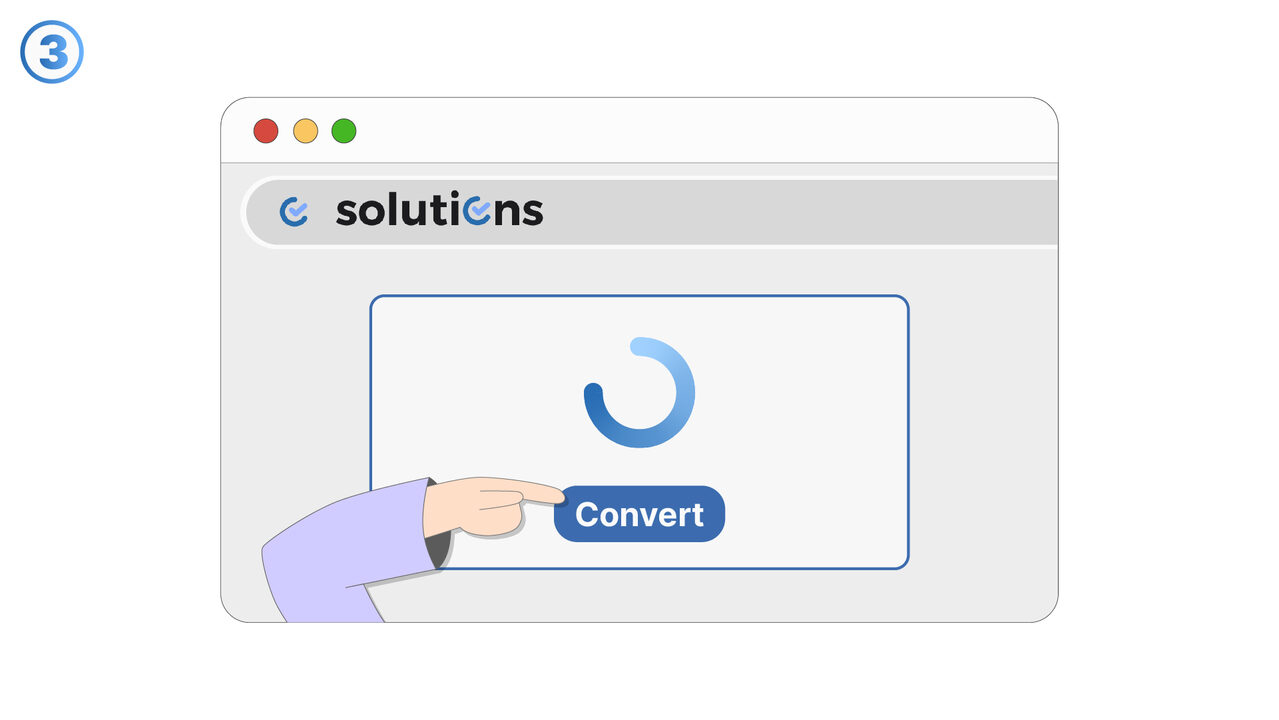
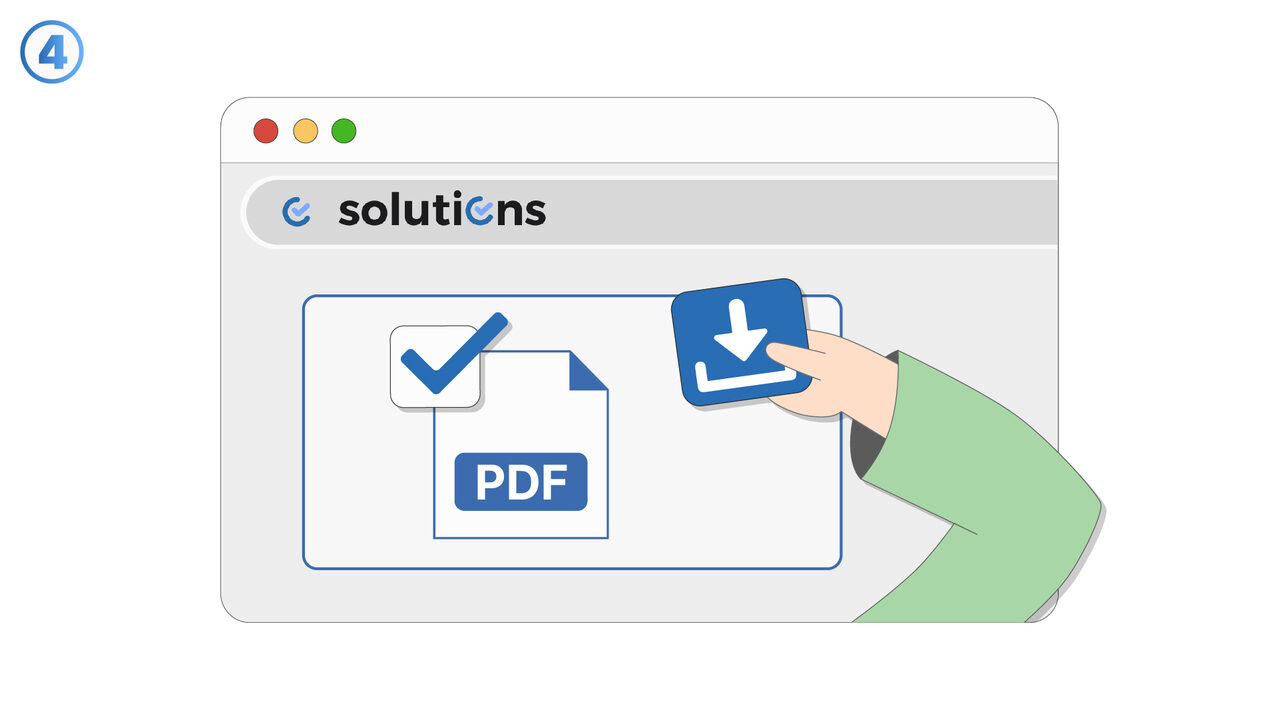
Die Lösung
This feature addresses scenarios where Excel files consume unexpectedly large amounts of disk space. It helps users locate spreadsheets that are disproportionately large and understand where storage is being used. The feature is intended for environments where many workbooks are stored locally or on shared drives and storage growth needs to be controlled. Users can review file size trends, compare sizes across similar Excel files, and flag outliers for cleanup. It supports practical remediation workflows such as prioritizing the largest files, identifying candidates for archiving, and confirming whether file size reductions are effective. The main benefit is reclaiming disk space while maintaining access to critical spreadsheets. It is useful for individuals managing personal storage as well as teams managing shared storage repositories. It also helps prevent secondary issues caused by low disk space, such as slow performance, failed saves, or disrupted backups. Common use cases include monitoring shared folders, responding to sudden storage spikes, and performing periodic housekeeping on legacy Excel archives.
Externe Ressource
https://tools.pdf24.org/en/excel-to-pdf
Nutze dieses Tool als Lösung für folgende Probleme
- Recipient doesn't have Excel
- Formatting issues when sharing Excel files
- Security issues with Excel files
- High incompatibility of Excel across different devices
- Printing issues with Excel files
- Unauthorized changes to Excel files
- Inability to lock content in Excel documents
- Insufficient portability due to Excel files
- Risk of losing data in Excel format
Kennst du eine bessere Lösung? Sag es uns.
Wenn du ein Tool oder einen Ansatz kennst, der Menschen bei einem Problem helfen könnte, das wir noch nicht abgedeckt haben, würden wir gerne davon hören.